Where the money comes from
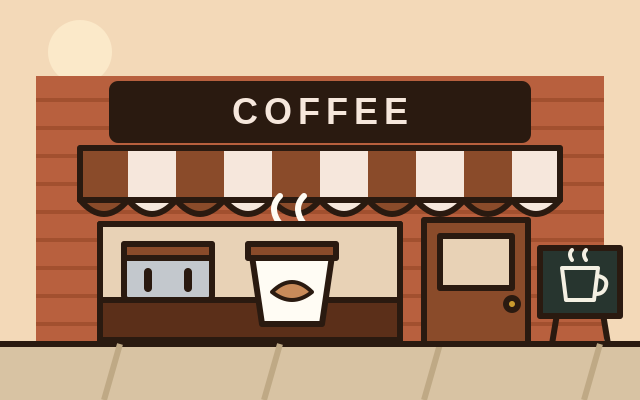
A coffee shop sells drinks and something to eat with them, one customer at a time. Each drink has a cost of goods: the cup and the lid, the coffee and the milk that went into it.
What the price brings in above that has to pay for everything else, every day: the baristas, the rent, the power, the card company, the machines. A shop that sells a lot of cheap drinks and a shop that sells fewer dear ones can both work; one that sells too few of either cannot.
What it spends money on
Some costs follow the sales: the cups, coffee, milk and pastries in what was sold, and the card fees. Others come whatever happens: the rent, the power and the wages of the people on shift. Equipment is bought once, and in the books its cost is spread over the years it is used: that is depreciation, which the IRS explains in Publication 946.
- Cost of goods: cups, lids, coffee, milk, syrups, pastries
- Wages of the baristas, by the hour
- Rent, power, water, insurance
- Card fees on the sales paid by card
- Equipment: the espresso machine, grinders, fridges, and the loan payments for them
- Milk and food thrown away when they spoil
What the owner decides
Prices, first: too low and the drinks barely pay for themselves, too high and people walk on. Then who works when: enough people for the rush, and no more than a quiet afternoon needs. Then what to order, because milk and pastries do not keep. And the hours: the last hour of the day is worth opening only if its sales leave more than its wages and power.
What goes wrong
A rent that needs more sales than the street brings. Wages paid through quiet hours. A line so long in the rush that people go elsewhere. Milk and pastries in the bin at closing. A machine that breaks on a Monday morning. Each of these shows up in the books, and most of them show up in the game.
Food work also often means early mornings and weekends: the Bureau of Labor Statistics says shifts in this work often include early mornings, late evenings, weekends and holidays.
What to ask before opening one
Ask your city or county and your state which licenses, permits and inspections apply, and what they cost. Count the people who pass at the hours you would open. Get the rent, the length of the lease and what happens at renewal in writing. Get written quotes for the equipment and the build-out, and ask suppliers what they charge for milk, coffee and cups.
Then add it up: the startup costs, the cash to keep for the first months, and the sales a day it takes to break even. The two tools below do the arithmetic on your own numbers.